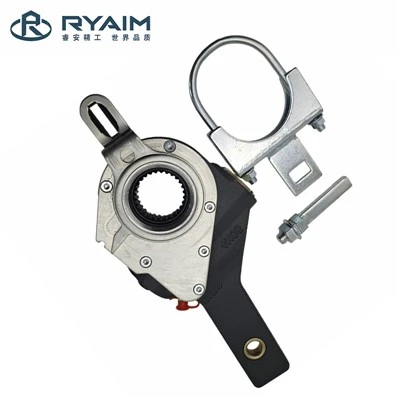
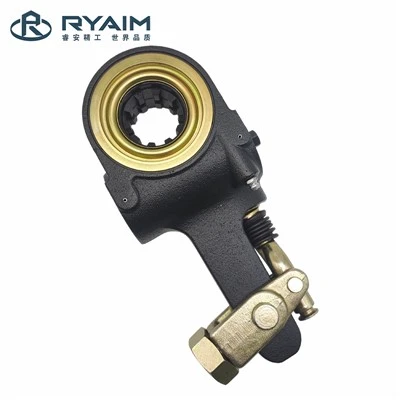
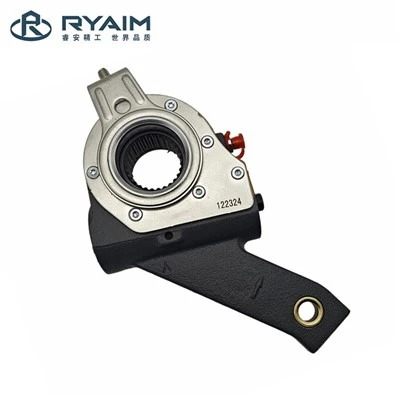
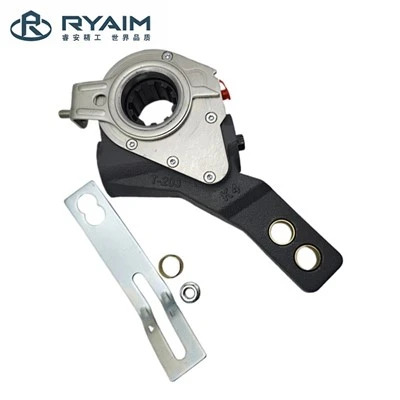
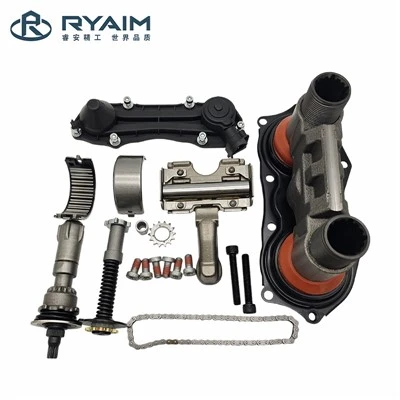
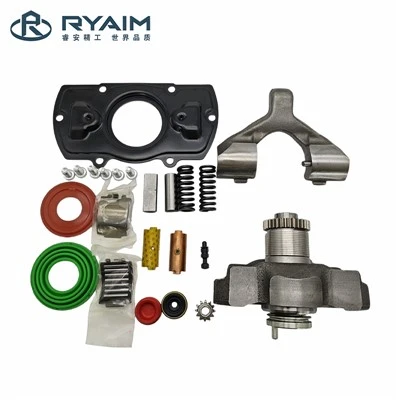
Although brake calipers have a relatively low failure rate, regular maintenance and upkeep are absolutely essential. Should a caliper fail, it poses a direct threat to vehicle safety. Understanding the common causes of brake caliper sticking is crucial for preventing and promptly addressing this issue.
Brake Caliper Maintenance
In a fixed-caliper braking system, the brake caliper is one of the core components. It facilitates vehicle deceleration and stopping by generating friction against the brake disc. Therefore, maintaining the brake calipers in good condition is vital for ensuring safe vehicle operation.
Brake calipers feature grooves designed to guide the smooth sliding of the brake pads as they move in and out. However, the brake pad shims may occasionally become lodged within these grooves, or-due to issues such as corrosion or debris accumulation-fail to slide freely, resulting in the pads becoming stuck. During maintenance, these problematic shims should be carefully inspected, cleaned, or replaced. If the metal grooves themselves are severely worn, it is recommended to replace the entire brake caliper assembly to ensure optimal performance and safety.
Brake Caliper Slide Pin Maintenance
The brake caliper slide pins play a critical role. They not only influence the smooth movement of the brake pads but are also key factors in ensuring stable braking performance. However, over time, slide pins may develop issues due to wear or corrosion, thereby compromising the performance of the entire braking system. Consequently, during maintenance, it is imperative to carefully inspect the condition of the slide pins-cleaning or replacing them as needed-to ensure the safety and stability of the braking system. Brake caliper slide pins require a certain level of lubrication and are therefore fitted with protective dust boots. However, in certain situations-such as improper handling or procedural errors by a technician during the installation of new brake pads-the dust boots may become damaged, allowing debris to infiltrate the mechanism. Once debris accumulates to a significant level, it can trigger the issue of brake caliper sticking. Therefore, to ensure the proper functioning of the braking system, the brake caliper slide pins must undergo regular inspection and maintenance.
Lubrication and Protection of Caliper Pistons
The lubrication and protection of the caliper pistons are equally critical. It requires periodic application of lubricant to ensure smooth operation, as well as dust-proofing measures to protect it from the ingress of debris. When inspecting the braking system, it is crucial not to overlook the caliper pistons, ensuring they remain in optimal working condition.
The caliper pistons are fitted with rubber dust boots designed to protect, seal, and lubricate the pistons. However, during brake pad replacement or other related maintenance procedures, the dust boots may sustain damage as the pistons are retracted into the caliper. Once a dust boot is torn, the piston becomes susceptible to rust; simultaneously, debris can accumulate inside the caliper, preventing the piston from sliding smoothly and ultimately causing the brake caliper to seize.