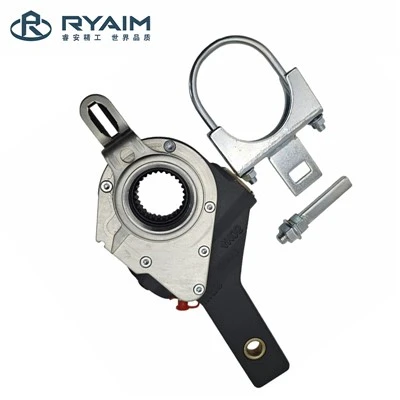
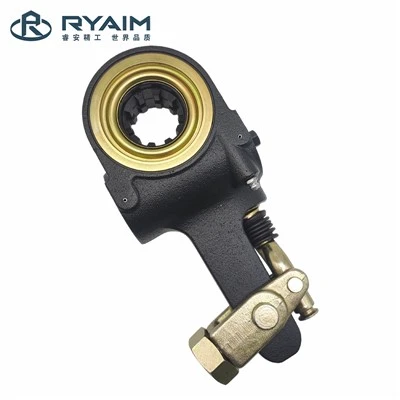
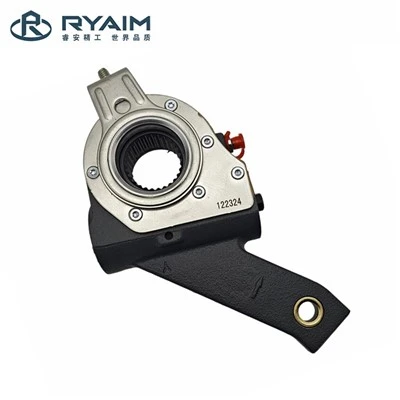
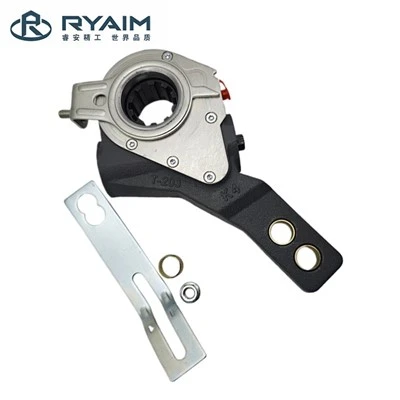
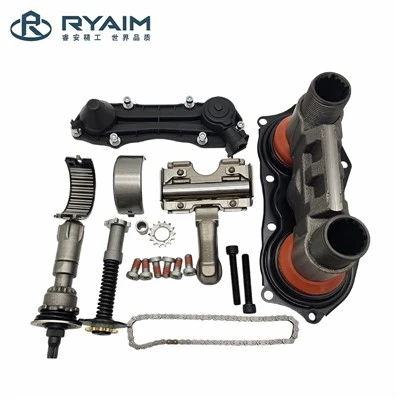
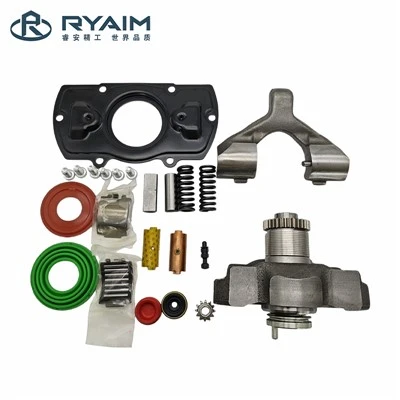
The brake expander is the component that makes a drum brake a drum brake. Sitting between the brake shoes at the base of the drum, it converts the pull of the cable or the push of the actuator into a symmetrical outward force that presses both shoes evenly against the drum surface - and on heavy commercial vehicles, the wedge-type expander carries the additional job of maintaining and adjusting the running clearance as linings wear. When an expander is machined out of tolerance, fatigued, or corroded, the symptoms show up quickly: soft pedal feel, uneven shoe contact, pulling to one side, and premature lining wear.
Demand for quality expanders keeps growing on two fronts. First, drum brakes remain the standard fitment on trailer axles, light commercial vehicles, and the rear axles of millions of cars and caravans worldwide - a replacement market that consumes expander bars, wedge assemblies, and shoe expanders in enormous volume. Second, European and North American remanufacturers and parts distributors increasingly source expanders directly from China, where two decades of precision machining investment have produced clusters in Yuhuan, Ningbo, and across Zhejiang province capable of holding the tight tolerances and consistent opening forces this safety-critical part demands.
For B2B buyers - brake distributors, axle and trailer component importers, remanufacturers, and fleet maintenance groups - the ten companies profiled below have been selected on manufacturing depth, material and surface treatment capability, patent activity, and proven export track records in brake expander and drum brake component technology.
In No Particular Order
How to Evaluate a Brake Expander Supplier
Expanders live in a high-cycle fatigue environment. Specify high-grade alloy structural steel with documented heat treatment, and reject suppliers working from generic carbon steel - early deformation and opening-force loss are the classic signs of material shortcuts.
Thread accuracy, fit clearances, and opening uniformity decide whether both shoes contact the drum evenly. Ask for tolerance data on critical dimensions and check that the supplier controls these in-process, not just at final inspection - CNC machining centers and precision grinding are the baseline.
Zinc plating, blackening, and multi-element anti-rust coatings determine how the part survives salt, moisture, and temperature swings. Request salt spray test coverage matched to your destination market - particularly important for coastal and European winter-road applications.
Confirm the supplier covers your drum platforms - heavy-truck wedge expanders, trailer axle expanders, or caravan sizes like 160×37 mm and 230×61 mm - and can reference the original part numbers. Certification coverage such as DOT and ECE matters most for trailer and caravan markets.
Demand dimensional inspection plus functional opening and force testing on every unit, with batch traceability. Suppliers running MES-level production tracking from raw material to dispatch - and who can share per-batch test data - materially reduce your incoming inspection burden.
Non-standard drum sizes and special-vehicle fitments require drawing-based or sample-based development. Shortlist suppliers with in-house R&D, order samples for teardown and functional testing, and run a factory audit - direct or via third-party inspection - before committing volume.