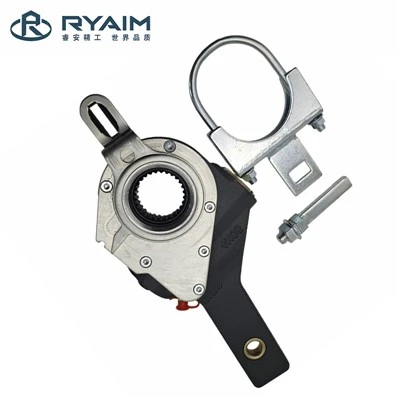
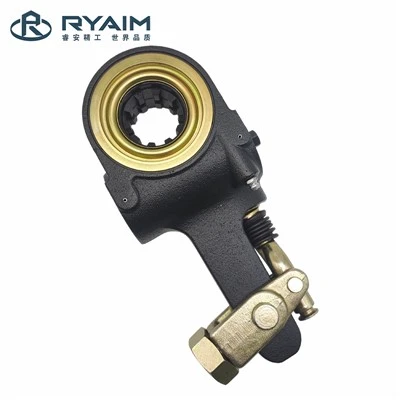
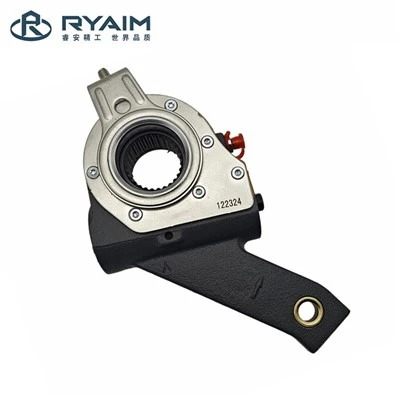
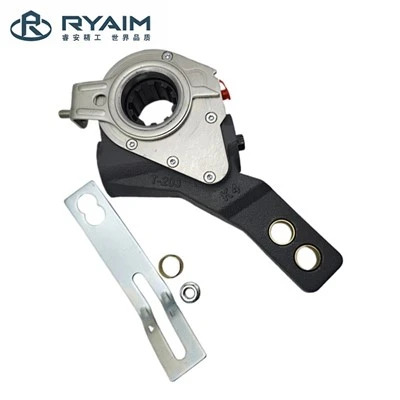
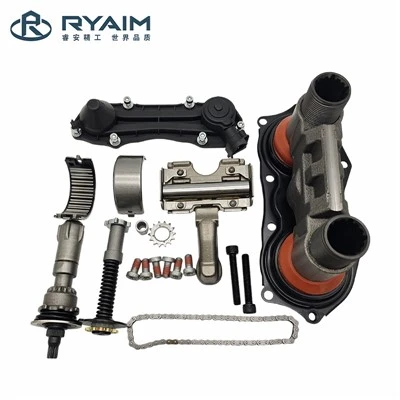
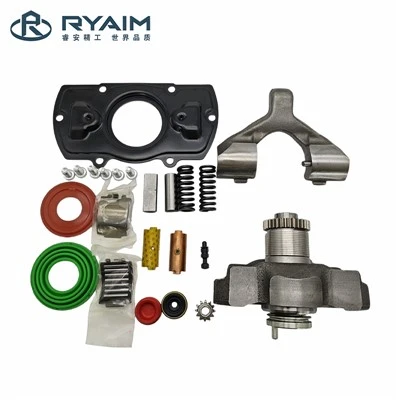
Manual slack adjusters sit at the critical junction between a brake chamber and the S-cam shaft in an air brake system. They convert pneumatic linear force into the rotational torque that presses brake shoes against drums. For fleet operators, parts distributors, and procurement managers, sourcing these components directly from Chinese manufacturers delivers a practical combination of cost efficiency, production scalability, and engineering depth that few other regions can match.
China has developed into one of the world's most concentrated production hubs for commercial vehicle brake components. Manufacturers here serve both domestic OEM assembly lines - feeding trucks rolling off lines at FAW, Sinotruk, Dongfeng, and Foton - and global aftermarket channels spanning Europe, North America, Southeast Asia, and Latin America. Decades of accumulated machining expertise, combined with continuous investment in CNC automation and quality management systems, have raised the bar for what buyers can expect.
This guide profiles five manufacturers that have built verifiable track records in the manual slack adjuster category. Each company brings a different strength - whether it is OEM integration depth, product line breadth, or export market reach.
In No Particular Order
Key Factors When Choosing a Manufacturer
Confirm daily output volumes and typical delivery windows. Manufacturers with automated assembly lines and MES tracking can deliver more consistent lead times for large aftermarket orders.
IATF16949 certification indicates a structured, audited approach to quality management. Verify that the certificate is current and applicable to the specific product category you are sourcing.
A supplier offering multiple spline configurations and series (American, European, Japanese) reduces sourcing complexity and simplifies inventory management for distributors.
Suppliers serving major truck OEMs have demonstrated the ability to meet stringent engineering tolerances and durability specifications - a strong indicator of manufacturing maturity.
Manufacturers with established export channels to your target region can navigate customs documentation, packaging standards, and logistics more efficiently, reducing friction in cross-border procurement.
The ability to develop products from drawings or physical samples is essential for specialized applications, private-label programs, or non-standard truck configurations not covered by catalog parts.