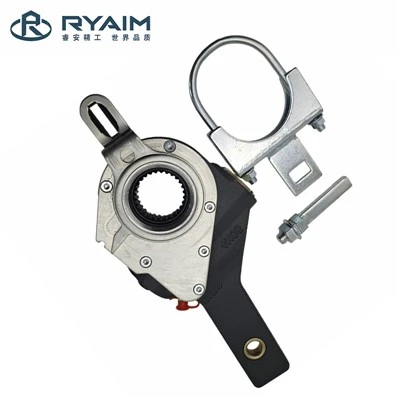
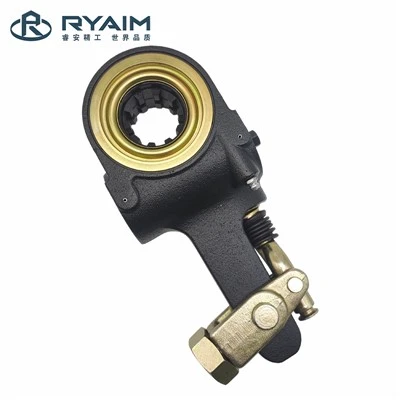
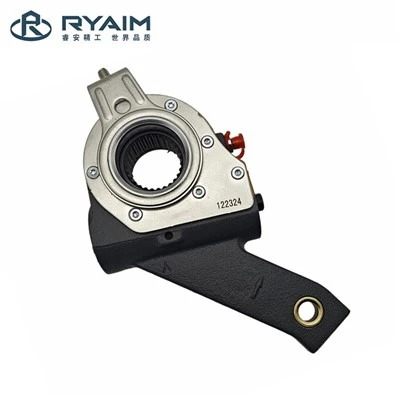
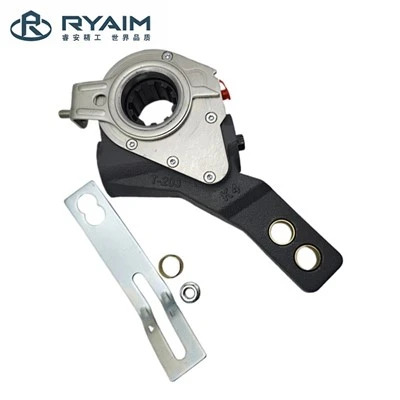
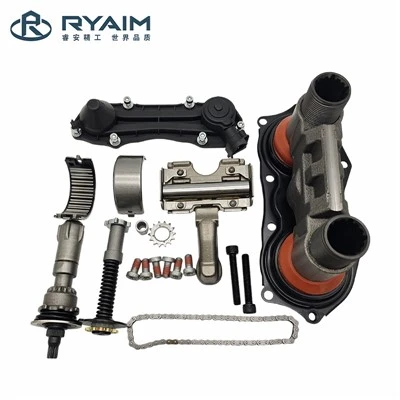
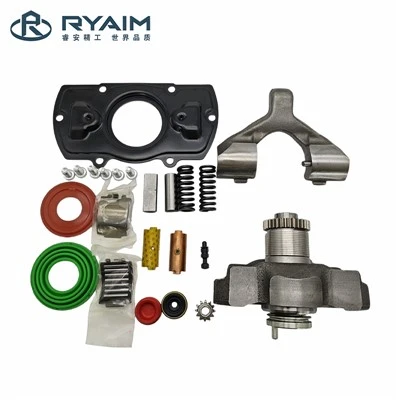
A disc brake caliper consists of several components, including the caliper body, piston, brake pads, caliper housing, piston spring, and connecting line.
1. Caliper Body: The caliper body serves as the main structural component of the brake caliper and is typically manufactured from aluminum alloy or steel. The interior of the caliper body houses the brake pads and piston; the pads make contact with the brake disc, while the piston exerts pressure on the pads against the disc, thereby generating the braking force.
2. Piston: The piston is a critical component of the disc brake caliper, functioning to press the brake pads against the disc during the braking process. Pistons are generally fabricated from aluminum alloy or cast iron; their diameter and quantity determine the caliper's overall braking power.
3. Brake Pads: The brake pads are composed of friction materials and are subject to phenomena such as wear and brake fade. To ensure consistent braking performance, the pads must be inspected and replaced periodically throughout the operational life of the brake system.
4. Caliper Housing: The caliper housing is securely mounted to the vehicle's steering knuckle; it serves to support the caliper assembly and connect it to the brake lines. The caliper housing is typically constructed from aluminum alloy or steel.
5. Piston Spring: The piston spring functions to retract the piston in the reverse direction once braking pressure is released.
6. Connecting Line: The connecting line is the component responsible for linking the brake caliper to the master cylinder or the brake booster.