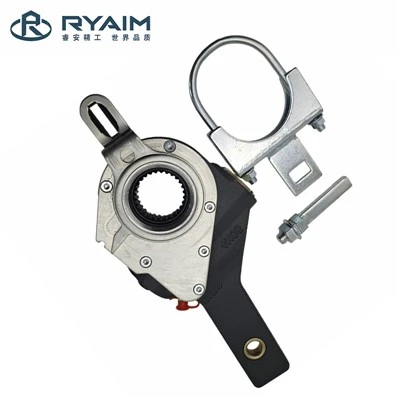
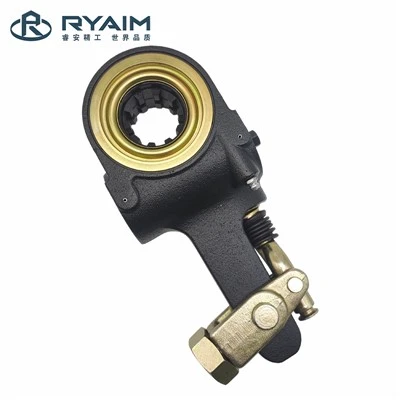
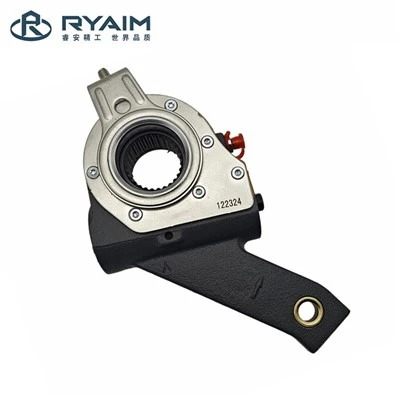
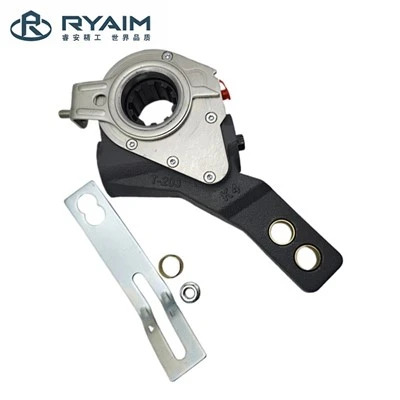
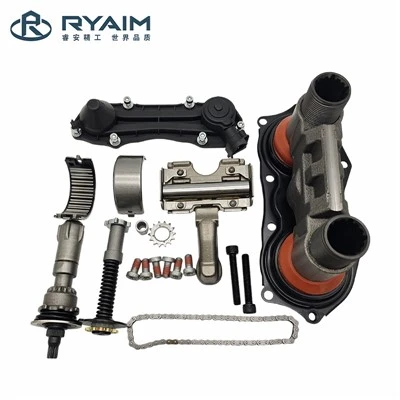
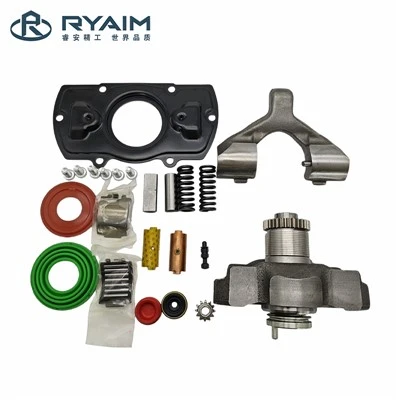
A malfunction in the automatic slack adjuster can lead to a number of serious consequences.
First and foremost is brake failure. If the slack adjuster fails, the clearance between the brake pads and the brake drum cannot be properly regulated; this can potentially render the brakes completely ineffective-a situation that is extremely dangerous.
Another consequence is a "soft" brake pedal and increased braking distances, making it difficult to bring the vehicle to a timely stop in emergency situations.
Additionally, unusual noises may occur during braking. This not only detracts from the driving experience but also serves as a clear indication that there is a problem within the braking system.
Furthermore, the brake warning light on the dashboard will illuminate to alert the driver that a brake-related fault has occurred.
So, what causes these malfunctions? There are several primary reasons. If the internal gears or racks within the slack adjuster become severely worn, the unit will be unable to function correctly. Sensor failure is another culprit, as it prevents the system from accurately adjusting the clearance between the brake pads and the brake drum. Similarly, a malfunction in the electric motor or solenoid valve will render the slack adjuster inoperable. Finally, if the brake pads and brake drum themselves are excessively worn, the slack adjuster will be unable to establish the appropriate clearance.
Therefore, it is crucial to pay close attention to the condition of your brakes during daily driving. If you notice symptoms such as a soft brake pedal, unusual noises, or an illuminated brake warning light, you must seek immediate inspection and repair-do not wait until a major problem develops before taking action.