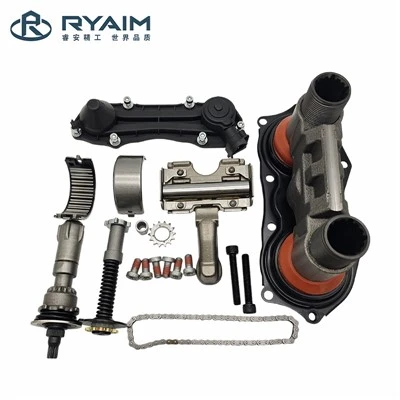
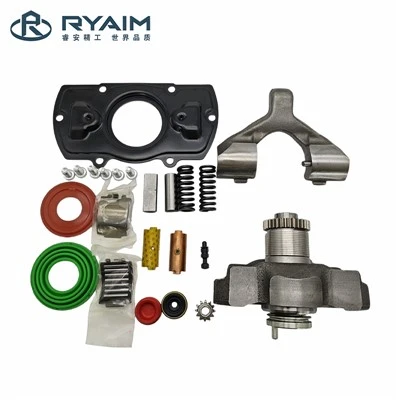
1. Brake calipers are crucial for ensuring a vehicle's braking effectiveness. They function by clamping tightly onto the brake discs, utilizing friction to decelerate and bring the vehicle to a halt. In this process, the front brake calipers play the primary role, as they are responsible for generating the majority of the braking force. In contrast, the rear brake calipers serve an auxiliary function, helping to prevent rear-wheel instability or "fishtailing" during emergency braking maneuvers. This design renders the braking system more adaptable and reliable, thereby ensuring the vehicle's stability and safety during braking.
2. Modifying brake calipers can effectively enhance a car's braking performance. However, careful and sensible selection is essential when undertaking such modifications. Excessive braking force can lead to wheel lock-up, which compromises driving stability and negatively impacts ride comfort. Therefore, when modifying brake calipers, one should always adhere to a guiding principle: select the appropriate calipers based on actual driving needs and the specific characteristics of the vehicle model. Only by doing so can one ensure that braking performance is improved without introducing adverse side effects.
3. Modifying brake calipers also entails compliance with specific legal regulations and administrative procedures. According to relevant regulations, any modification to brake calipers requires formal registration and filing with the vehicle administration authority. This process is vital, as proper registration ensures that the vehicle successfully passes its annual inspection and mitigates the risks associated with illegal modifications. Minor alterations-such as merely repainting the brake calipers-typically do not require formal registration. However, for any other substantial modifications, it is advisable to consult the vehicle administration authority promptly to determine whether registration is required.