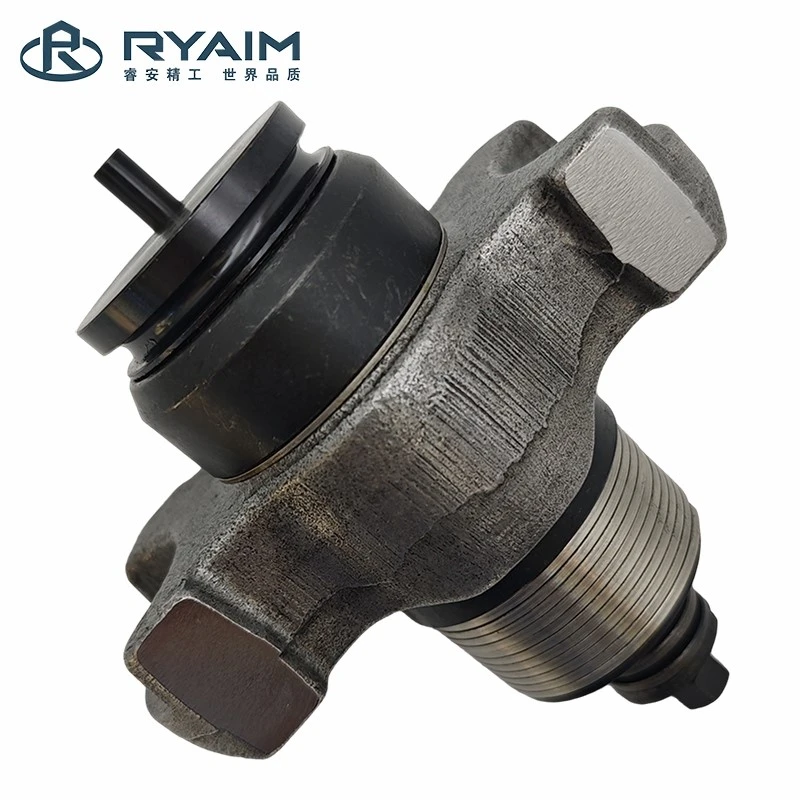
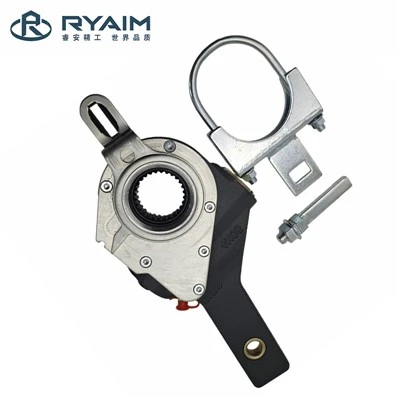
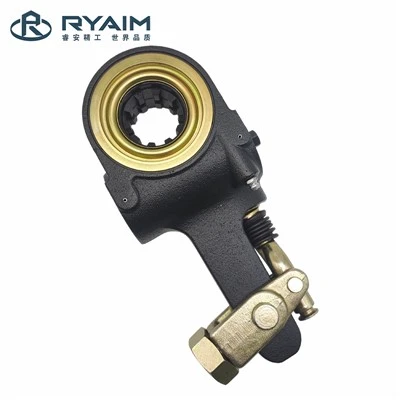
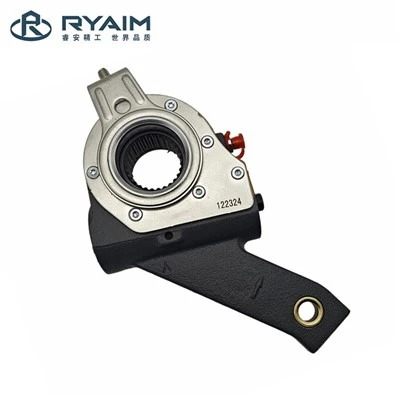
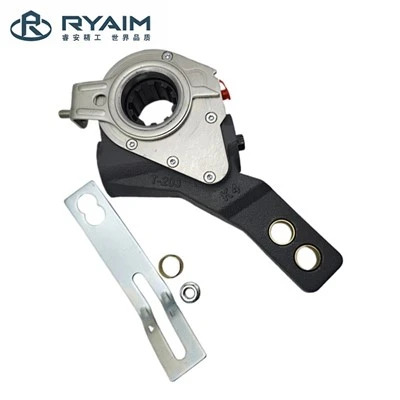
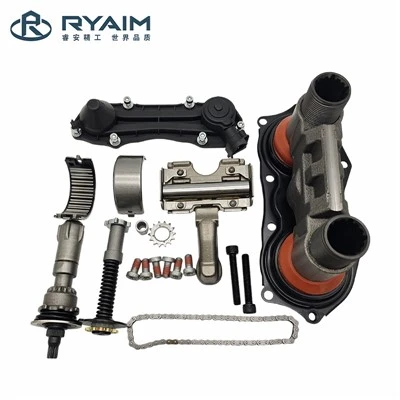
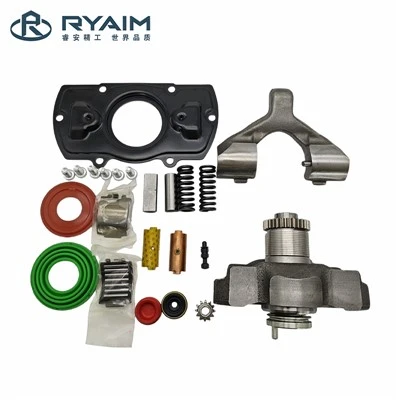
Brake calipers may be replaced after traveling between 30,000 and 50,000 kilometers. Braking refers to the action of stopping or reducing the speed of moving locomotives, vehicles, and other means of transport or machinery. The operating principle of a brake is as follows: a wheel or disc is affixed to the high-speed shaft of the machine, while corresponding brake shoes, belts, or discs are mounted on the machine's base; under the application of external force, these components engage to effect braking.
Brake Maintenance and Upkeep:
1. In accordance with the requirements outlined in the brake's instruction manual-and taking into account actual conditions observed during load testing-properly adjust the brake springs and the working stroke of the brake shoes to ensure reliable braking upon power loss and smooth, uniform release upon power restoration.
2. Regularly inspect the wear condition of the asbestos brake pads; if wear exceeds 2 mm, the pads must be replaced.
3. The working surface of the brake wheel must be flat and smooth. The contact area between the brake shoes and the brake wheel should be no less than 80%; furthermore, care must be taken to prevent the ingress of oil or water, which could lead to slippage.
4. If any springs exhibit cracks or permanent deformation, they must be replaced with new components.
5. Apply lubricating oil and replace hydraulic fluid in a timely manner.