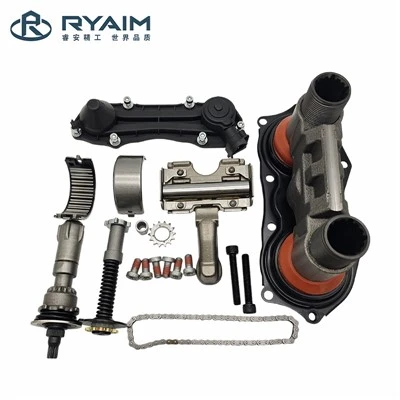
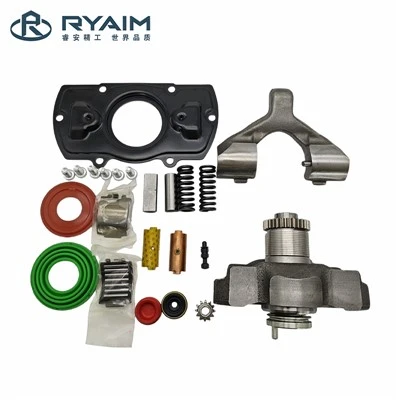
Causes of Sticking Calipers
During the operation of floating calipers, various common malfunctions may arise. Understanding these faults-along with their potential causes-is crucial for ensuring smooth and safe braking performance. Caliper sticking is typically caused by the ingress of dirt, water, rust, or other fine debris into the mounting mechanism, which subsequently hinders the caliper's proper compression. Once a caliper becomes stuck, the brake pads may make abnormal contact with the brake rotors during driving; this not only accelerates brake pad wear but can also damage the rotors. Furthermore, a sticking caliper can lead to reduced fuel economy as well as excessive wear on both the brake pads and rotors. If left unaddressed, this situation may even result in permanent damage to these components. In extreme cases, a complete seizure of the caliper could render the vehicle immobile.
Fixed Caliper Wear
In fixed-caliper braking systems, the piston and cylinder assembly undergo gradual wear over time, which can eventually lead to sticking or seizing issues. Concurrently, it is essential to constantly monitor the condition of the brake rotors, as even minor damage or warping can trigger excessive wear on the brake pads, thereby compromising the integrity of the caliper.