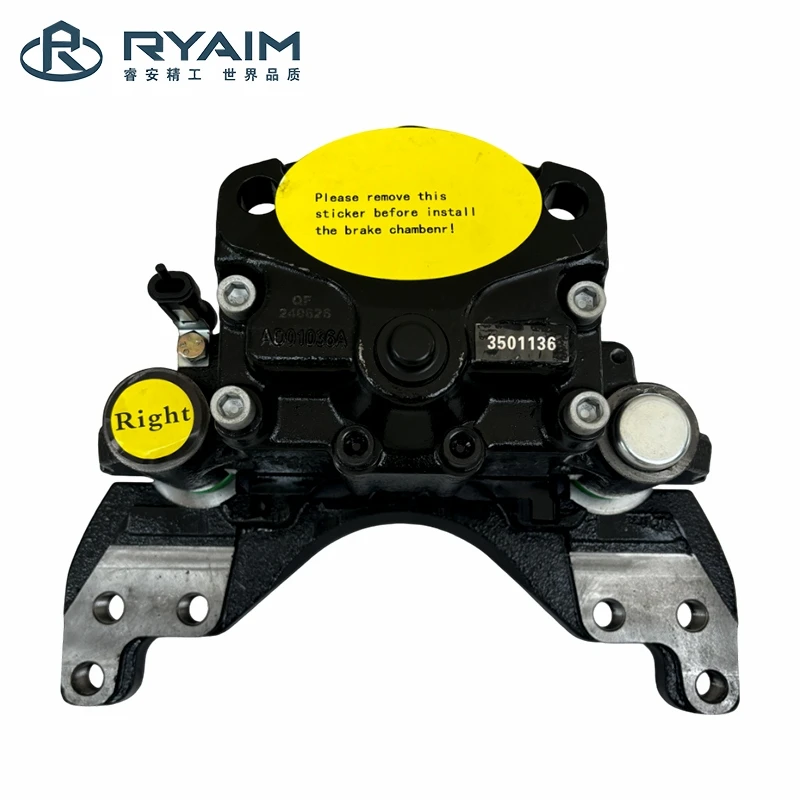
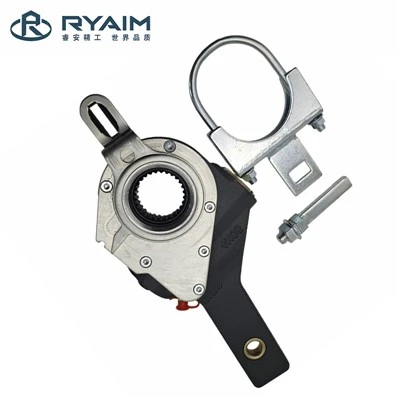
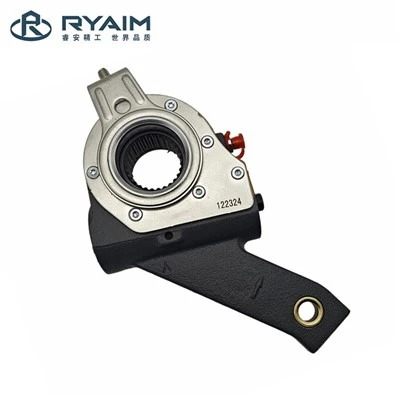
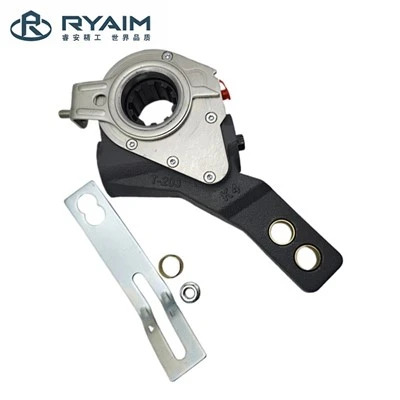
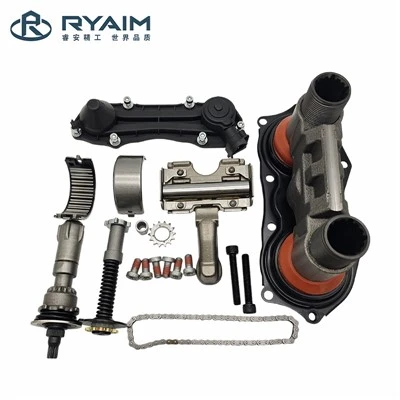
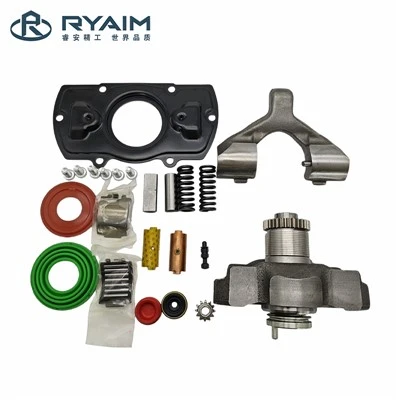
The braking principle of a disc brake caliper relies on a piston pressing the brake pads against the brake disc, generating friction between the pads and the disc to create resistance. When the vehicle brakes, the brake master cylinder generates hydraulic pressure and transmits the pressurized fluid through the brake lines into the caliper housing. This causes the piston to move toward the center of the brake disc, thereby clamping the pads against the disc and achieving the braking effect.
Key design considerations for disc brake calipers include factors such as braking force, brake disc diameter, and piston area.
1. Braking Force: The greater the braking force, the more effective the braking performance; however, this also results in increased size and weight for the brake assembly. Therefore, in accordance with the vehicle manufacturer's specifications, it is essential to strike a balance between the required braking force and the demands for lightweight design.
2. Brake Disc Diameter: A larger brake disc diameter generates greater braking force, though it also increases the overall volume of the brake assembly. Generally speaking, vehicles equipped with larger brake discs exhibit superior braking performance, but this may also have an impact on fuel economy.
3. Piston Area: A larger piston area results in stronger braking force. However, the piston area also influences the design of the mechanical structure and control system; therefore, the goal is to maximize the piston area-to the greatest extent possible without compromising the integrity of the mechanical and control systems-in order to enhance braking performance.
In summary, the structural design and operating principles of disc brake calipers exert a significant influence on a vehicle's overall braking performance. When designing brake systems, it is imperative to carefully consider the specific characteristics of each individual component while balancing the critical factors of vehicle operational safety, stability, and fuel economy.