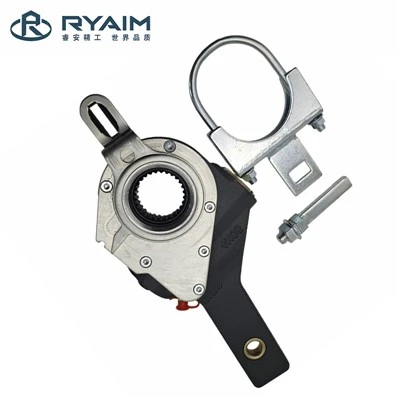
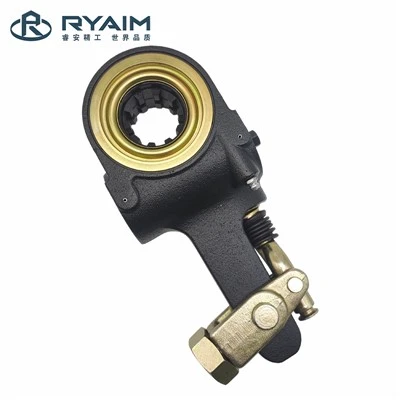
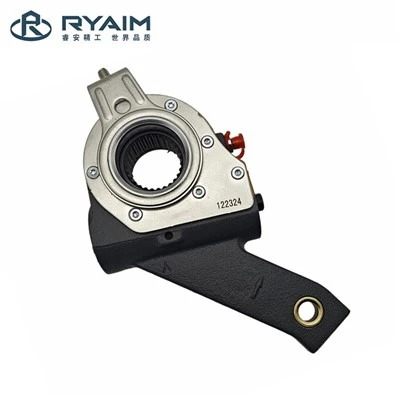
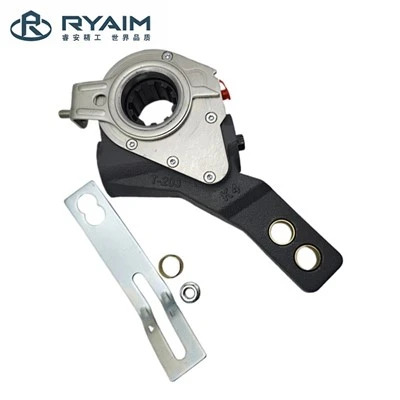
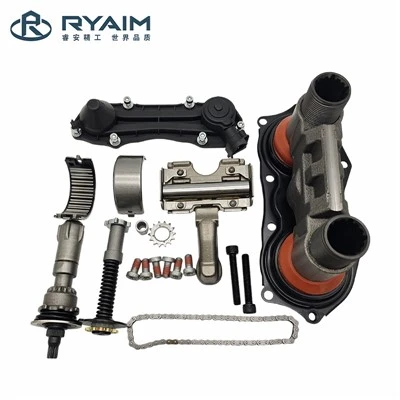
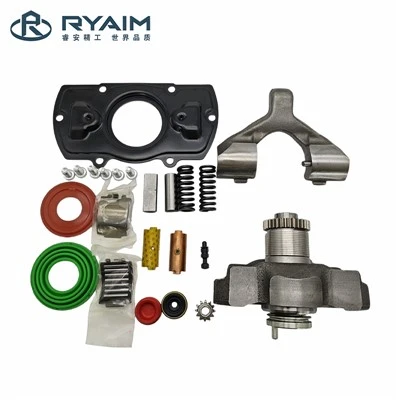
In an automotive braking system, the automatic slack adjuster plays a crucial role; it automatically adjusts the brake clearance to ensure stable and reliable braking performance. The following section provides a detailed explanation of the adjustment procedure for the automatic slack adjuster clearance, along with key precautions to observe.
First, gather the necessary tools, such as a wrench and a screwdriver. Next, park the vehicle on level ground and engage the parking brake to ensure the vehicle remains stable. Then, locate the adjustment point on the automatic slack adjuster; this area typically features distinct markings or an adjustment screw. Using a wrench or screwdriver, rotate the adjuster in the specified direction and with the appropriate force. Generally, rotating clockwise increases the clearance, while rotating counter-clockwise decreases it. Throughout the adjustment process, continuously check the clearance size to ensure it reaches the correct specification.
Once the adjustment is complete, perform several braking tests to verify that the braking performance is functioning normally. During the adjustment process, please pay close attention to the following points:
Before making any adjustments, a comprehensive inspection of the vehicle's braking system must be conducted to ensure there are no other underlying faults.
Strictly adhere to the regulations and specifications provided by the vehicle manufacturer, as automatic slack adjusters may vary across different vehicle models.
Exercise caution regarding the force applied and the angle of rotation during adjustment to avoid over-adjusting, which could lead to component damage.
Braking tests conducted after adjustment should be performed in a safe environment; additionally, observe the condition of the brake discs and pads to check for signs of wear.
If you are unsure about the proper adjustment procedure, it is recommended that you seek assistance from a professional automotive technician.
Correct adjustment versus incorrect adjustment can lead to vastly different outcomes:
Correct Adjustment: Results in excellent braking performance, normal wear on braking components, extended service life, and enhanced driving safety.
Incorrect Adjustment: Leads to poor braking performance and potentially dangerous situations-such as brake pulling (deviation) or brake failure-while also accelerating the wear of braking components and potentially causing damage to the entire braking system.
In summary, adjusting the clearance of the automatic slack adjuster is a critical task that requires careful execution. Only by performing the adjustment correctly and paying close attention to the relevant details can one ensure the proper functioning of the vehicle's braking system and guarantee driving safety.